
Social media has become one of the most influential channels for business growth. More than 5.4 billion people actively use social media worldwide, giving businesses unprecedented opportunities to reach potential customers. However, visibility alone does not guarantee results. Many businesses invest significant time creating content yet struggle to generate qualified leads, customer enquiries, and measurable revenue because they focus on posting consistently rather than following a strategy designed to support growth.
At Influence Nepal, we frequently work with businesses that want more than likes, shares, and followers. They want social media efforts that contribute to lead generation, customer acquisition, brand trust, and long-term business success. Through experience, we have observed that businesses achieve stronger outcomes when their social media activities are aligned with customer needs, business objectives, and measurable performance indicators.
The most successful brands understand that real growth comes from attracting the right audience, providing value, building credibility, and guiding potential customers through the buying journey. In this guide, we explore seven proven social media marketing strategies that can help businesses transform social media from a visibility tool into a powerful driver of business growth.
Build Your Strategy Around Customer Intent, Not Content Calendars

Research from HubSpot shows that businesses that understand their customers’ needs are more likely to generate quality leads and conversions than businesses that focus mainly on posting content frequently. This highlights an important principle of a successful social media marketing strategy: real business growth comes from understanding what customers want, not simply posting more content. Businesses that create content around customer needs often build stronger relationships, attract better leads, and achieve better marketing results.
Many businesses believe that posting every day is the key to success. They create detailed content calendars, schedule posts weeks in advance, and focus heavily on staying active across different platforms. While consistency is important, customers do not engage with content just because it appears in their feed. They engage when the content helps them solve a problem, answer a question, or make a better decision.
Think about a business owner searching for ways to increase online enquiries. That person is looking for practical advice, not another promotional post. A social media post that explains how to generate leads or improve customer engagement is far more valuable than a post that simply promotes a service. Helpful content attracts attention because it provides a solution to a real challenge.
At Influence Nepal, we often work with businesses that post regularly but struggle to generate meaningful enquiries. In many cases, the problem is not a lack of content. The problem is that the content does not address the questions, concerns, or goals of potential customers. When businesses focus on customer needs instead of promotional messages, they often see stronger engagement and better results from their marketing efforts.
For example, a restaurant in Kathmandu may believe that posting daily discounts will bring in more customers. However, content that answers common questions about dining experiences, customer reviews, popular dishes, or food recommendations often performs better because it provides information that potential customers are actively looking for.
One of the best ways to understand customer intent is to review website enquiries, social media comments, direct messages, and sales conversations. These interactions can reveal valuable insights about what customers want to know. Businesses can then use this information to build a stronger content marketing strategy that delivers value and supports business goals.
Businesses that focus on customer intent often benefit from:
- Higher engagement rates
- Better lead quality
- Improved audience trust
- Increased conversion opportunities
- Stronger return on marketing investment
The goal is not simply to publish more content. The goal is to create content that answers customer questions, solves real problems, and supports business objectives. When businesses align their content with customer intent, they are more likely to attract qualified prospects, build trust, and strengthen their lead generation efforts through social media.
Use Trust Signals to Turn Followers Into Buyers

Trust has become one of the most important factors influencing purchasing decisions.The 81% of consumers say trust plays a major role in deciding whether to buy from a brand. For businesses, this means trust is not just about reputation it directly affects lead generation, customer acquisition, and long-term business growth. Even the best social media marketing strategy may struggle to deliver results if potential customers do not trust the business behind it.
A business may have thousands of followers, but followers do not automatically become customers. Before making a purchase or submitting an enquiry, most people want proof that a business is reliable, experienced, and capable of delivering results. Without that confidence, they are unlikely to take the next step.
Modern consumers often research a business before making a decision. They visit social media profiles, read customer reviews, compare competitors, and look for evidence of expertise. Every interaction helps them decide whether a brand is trustworthy. This is where trust signals become valuable because they reduce uncertainty and make buying decisions easier.
Some of the most effective trust signals businesses can use include:
- Customer testimonials
- Case studies
- Client reviews
- Industry certifications
- Media coverage
- Expert insights
- Behind-the-scenes content
- Team introductions
For example, imagine two digital marketing agencies. One agency only shares promotional posts about its services. The other regularly publishes client success stories, educational content, campaign insights, and customer testimonials. Most potential customers will naturally trust the second agency because it provides proof of expertise and real results rather than simply making claims.
At Influence Nepal, we often work with businesses that have active social media pages but struggle to generate enquiries. In many cases, the issue is not visibility but credibility. Businesses that consistently share customer feedback, success stories, and educational content often see stronger engagement and more qualified leads because they build trust with their audience over time.
A restaurant in Kathmandu provides a good example. While promotional offers may attract attention, many potential customers will first check reviews, photos, customer experiences, and recommendations before deciding where to dine. Positive reviews and authentic customer experiences often have a greater influence on purchasing decisions than promotional content alone.
Trust does not happen overnight. It is built through consistent actions, valuable content, and proof of experience. Businesses that invest in trust-building as part of their content marketing strategy are more likely to attract qualified prospects, improve conversion rates, and turn social media followers into loyal customers.
Turn Social Media Engagement Into Qualified Leads

One of the most common mistakes businesses make is treating engagement as the final goal. Likes, comments, and shares can indicate audience interest, but they do not automatically contribute to business growth. Lead generation remains one of the primary goals for marketers because leads are far more closely connected to revenue than engagement metrics.
A social media strategy should create a clear pathway from attention to action.
For example, consider two posts:
Post A receives 2,000 likes but generates no enquiries.
Post B receives 300 likes but generates 15 consultation requests.
While Post A appears more successful on the surface, Post B creates significantly more business value because it produces qualified leads.
This distinction is important because many businesses become distracted by vanity metrics while overlooking indicators that directly affect revenue.
At Influence Nepal, we encourage businesses to evaluate social media performance based on outcomes that contribute to growth. These outcomes may include:
- Website visits
- Contact form submissions
- Consultation requests
- Direct message enquiries
- Product enquiries
- Sales conversations
A simple call-to-action can dramatically improve lead generation opportunities. Instead of ending a post with information alone, businesses can invite users to:
- Request a consultation
- Download a guide
- Visit a service page
- Send a direct message
- Book a discovery call
The easier the next step becomes, the more likely potential customers are to engage further with the business.
Social media growth becomes meaningful when engagement evolves into conversations, enquiries, and ultimately customers.
Use Trust Signals to Turn Followers Into Buyers

Trust has become one of the strongest factors influencing buying decisions. There are around 81% of consumers who say trust plays a major role when deciding whether to buy from a business. This means that social media visibility alone is not enough. Businesses must demonstrate credibility before potential customers are willing to take action.
Today’s buyers are more informed than ever. Before contacting a company, they often review social media profiles, read customer feedback, compare competitors, and evaluate expertise. If a business cannot provide evidence of its reliability, potential customers may choose a competitor that appears more trustworthy.
Consider two businesses offering similar services. One regularly shares customer testimonials, project results, expert insights, and behind-the-scenes content. The other only publishes promotional posts. Most customers will naturally trust the first business because it provides proof of experience and expertise.
At Influence Nepal, we have observed that brands showcasing real customer experiences, campaign results, and educational content often receive more meaningful enquiries than brands focused solely on self-promotion. Trust-building content reduces buyer hesitation and helps businesses establish stronger relationships with potential customers.
Some of the most effective trust signals include customer reviews, case studies, client testimonials, media features, team expertise, and educational content. These elements help businesses demonstrate credibility and reduce uncertainty during the buying process.
Businesses that consistently build trust through social media are more likely to generate qualified leads, improve conversion rates, and create long-term customer relationships. Trust may take time to develop, but it often becomes a significant competitive advantage.
Leverage Influencer Marketing to Build Faster Credibility

Influencer marketing has become one of the fastest ways for businesses to build trust with potential customers. According to Nielsen, recommendations from people consumers know and trust remain among the most credible forms of advertising. This matters because modern buyers are often skeptical of direct promotional content. Before making a purchase, many people look for reviews, recommendations, and real experiences from individuals they already follow online.
The reason influencer marketing works is simple: trust is transferred. When a trusted creator shares a product, service, or experience, their audience is more likely to pay attention than they would to a traditional advertisement. This helps businesses reach potential customers in a way that feels more authentic and relatable.
For example, imagine a skincare brand launching a new product in Nepal. A promotional post from the brand may receive some engagement, but a trusted beauty creator demonstrating the product and sharing genuine results is often more persuasive. The audience sees the product in a real-world setting, which reduces uncertainty and increases buying confidence.
At Influence Nepal, we have observed that successful influencer campaigns are rarely driven by follower count alone. Businesses often achieve stronger results when they collaborate with creators whose audience closely matches their target customers. A niche creator with an engaged community can frequently outperform a larger influencer with a broader but less relevant audience.
The business benefit extends beyond brand awareness. Strategic influencer partnerships can increase credibility, generate qualified leads, improve engagement rates, and support purchasing decisions. For businesses looking to accelerate trust-building, influencer marketing remains one of the most effective social media marketing strategies available today.
Turn Social Media Engagement Into Qualified Leads
Many businesses invest significant time creating content that generates likes, comments, and shares. However, engagement alone does not guarantee business growth. According to HubSpot, lead generation remains one of the primary goals for marketers because leads are far more closely connected to revenue than engagement metrics.
This highlights an important distinction: social media should not only attract attention—it should encourage action. Without a clear path from engagement to enquiry, businesses risk building an active audience that never becomes customers.
Consider a local consulting business that publishes educational content on LinkedIn. One post receives hundreds of reactions but no enquiries. Another post receives fewer interactions but encourages readers to request a free consultation, resulting in several qualified leads. Although the second post appears less popular, it delivers significantly more business value.
In Influence Nepal,we frequently see businesses focusing heavily on reach and engagement while overlooking conversion opportunities. In many cases, small adjustments such as stronger calls-to-action, optimized landing pages, and lead-focused content can significantly improve enquiry generation.
Businesses can strengthen lead generation by encouraging users to book consultations, download guides, request proposals, visit service pages, or start conversations through direct messages. Each action helps move potential customers closer to a buying decision.
The most successful social media marketing strategies treat engagement as the beginning of the customer journey rather than the final goal. When social media activities are connected to a lead-generation process, businesses are far more likely to achieve measurable gro
Combine SEO and Social Media for Sustainable Growth
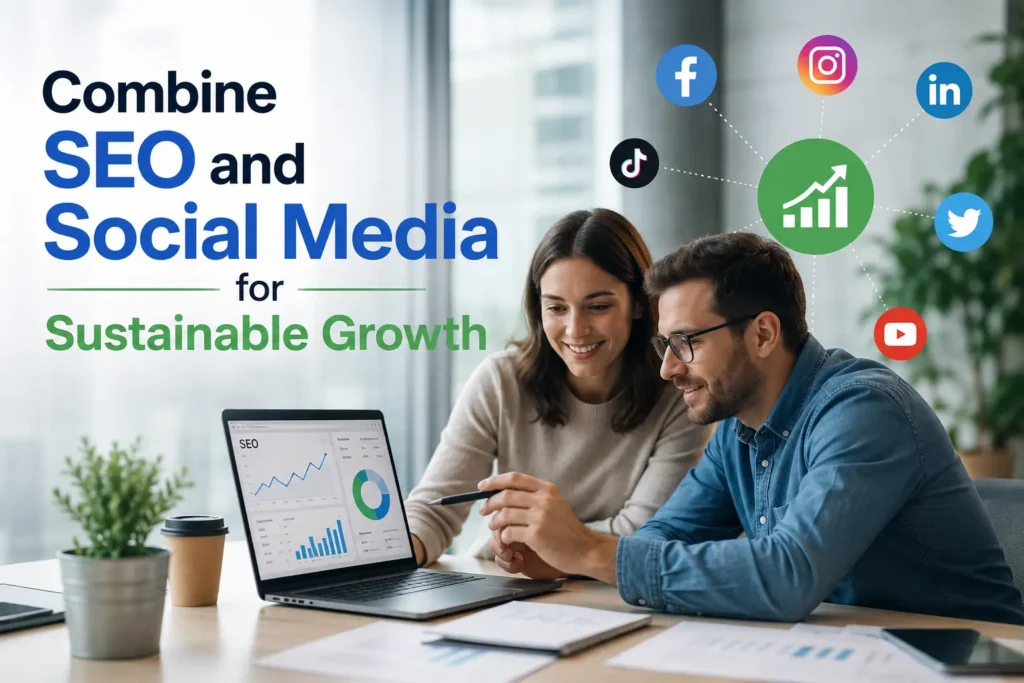
While social media can generate immediate visibility, SEO helps businesses remain discoverable long after a post has been published. Research from BrightEdge shows that organic search drives more than 50% of trackable website traffic across industries. This demonstrates why businesses should not rely on social media alone when building their digital presence.
Many companies view SEO and social media as separate marketing channels. In reality, they work best together. Social media helps distribute content, increase awareness, and attract engagement, while SEO ensures that valuable content continues generating traffic from search engines over time.
For example, a business may publish a social media post explaining common digital marketing mistakes. The post could generate engagement for a few days before disappearing from users’ feeds. However, if the same topic is developed into an SEO-optimized blog article, it can continue attracting potential customers through Google searches for months or even years.
At Influence Nepal, we often recommend creating content that supports both channels. High-performing social media topics can be expanded into blog articles, while successful blog content can be repurposed into social media posts. This approach allows businesses to maximize the value of every piece of content they create.
Businesses that combine SEO and social media effectively often benefit from increased brand visibility, stronger search rankings, higher website traffic, and more opportunities to generate qualified leads. Instead of depending on a single traffic source, they build a sustainable digital marketing system that supports long-term business growth.
For businesses seeking consistent growth rather than short-term visibility, integrating SEO and social media is one of the smartest investments they can make.
Measure Revenue Metrics Instead of Vanity Metrics

Many businesses evaluate social media success based on likes, followers, shares, and video views. While these metrics can indicate audience interest, they do not always reflect business performance. According to Influence Nepal, proving marketing ROI remains one of the biggest challenges for businesses because high engagement does not automatically translate into revenue.
The purpose of social media marketing is not simply to gain attention. Its purpose is to support business growth. This is why businesses should focus on metrics that directly connect social media activity to customer acquisition and revenue generation.
For example, imagine two social media campaigns. The first campaign generates 10,000 views and hundreds of likes but produces no enquiries. The second campaign receives fewer interactions but generates multiple consultation requests and qualified leads. Although the first campaign appears more successful on the surface, the second campaign creates greater business value because it contributes directly to revenue opportunities.
At Influence Nepal, we encourage businesses to track metrics that reveal actual business impact. These often include website traffic, lead form submissions, direct message enquiries, consultation bookings, conversion rates, customer acquisition costs, and campaign-generated revenue.
Tracking revenue-focused metrics helps businesses identify which content, campaigns, and platforms are generating meaningful results. Instead of relying on assumptions, businesses can make informed decisions based on measurable outcomes.
The most successful social media marketing strategies are built around business objectives rather than popularity metrics. Businesses that prioritize leads, conversions, and revenue gain a clearer understanding of performance and are better positioned to achieve sustainable growth.
Conclusion
Social media offers businesses unprecedented opportunities to connect with potential customers, but sustainable growth requires more than consistent posting. According to DataReportal, billions of people actively use social platforms every day, creating a highly competitive environment where businesses must work harder to earn attention and trust.
The businesses achieving meaningful results are not necessarily posting the most content. They are creating content that aligns with customer intent, builds credibility, leverages trusted influencers, generates qualified leads, supports SEO efforts, and focuses on measurable business outcomes.
At Influence Nepal, we have seen that businesses achieve stronger long-term results when social media is treated as a strategic growth channel rather than simply a content distribution platform. The most effective strategies focus on solving customer problems, building trust, and guiding potential customers through the buying journey.
As competition continues to increase across social media platforms, businesses that combine value-driven content with clear business objectives will be better positioned to attract qualified prospects, strengthen customer relationships, and increase revenue.
If your goal is to turn social media into a reliable source of leads and business growth, these seven social media marketing strategies provide a practical framework for building a stronger and more profitable online presence.
FAQ About Social Media Marketing Strategies
What is a social media marketing strategy?
A social media marketing strategy is a structured plan that helps businesses use social media platforms to achieve specific goals such as increasing brand awareness, generating leads, building customer relationships, and driving sales. It focuses on creating the right content for the right audience while supporting overall business objectives.
Why is a social media strategy important for business growth?
A social media strategy ensures that every marketing effort contributes to measurable business goals. Instead of posting content randomly, businesses can attract qualified prospects, build trust, and create a clear path that turns engagement into enquiries and customers.
Which social media platform is best for businesses in Nepal?
The best platform depends on your target audience and industry. Facebook and Instagram are effective for reaching consumers and building brand awareness, while LinkedIn is often better for B2B companies and professional services. Businesses should focus on the platforms where their customers are most active.
How often should businesses post on social media?
There is no universal posting frequency that guarantees success. Consistently publishing valuable and relevant content is generally more important than posting more often. Businesses should focus on quality, audience needs, and engagement rather than volume alone.
How long does it take to see results from social media marketing?
Results vary depending on the industry, competition, content quality, and overall strategy. Many businesses begin to see improvements in engagement and visibility within a few months, while lead generation and revenue growth often require a longer-term commitment.
Can social media marketing generate leads and sales?
Yes. Social media can be a powerful lead-generation channel when businesses create valuable content, build trust, and guide potential customers toward actions such as enquiries, consultations, or purchases through clear calls-to-action.
How does influencer marketing help businesses grow?
Influencer marketing allows businesses to reach highly targeted audiences through trusted creators. Because consumers often trust recommendations from people they follow, influencer partnerships can increase brand awareness, credibility, engagement, and lead-generation opportunities.
How do SEO and social media work together?
SEO helps businesses appear in search engine results when potential customers are actively looking for information, products, or services. Social media increases visibility and distributes content to a wider audience. Together, they help businesses attract traffic from multiple channels.
What metrics should businesses track on social media?
Businesses should focus on metrics that support their goals, including website traffic, lead form submissions, enquiries, conversion rates, customer acquisition costs, and revenue. These metrics provide a better understanding of business impact than likes and follower counts alone.
How can Influence Nepal help businesses grow through social media marketing?
Influence Nepal helps businesses build data-driven social media strategies designed to increase visibility, strengthen credibility, generate qualified leads, and support long-term business growth through services such as social media marketing, SEO, influencer marketing, PR, and content strategy.